Three counts that should be clear
Calendar days away are all the dates touched by your journey, including departure and return. Hotel nights are nights with an included room. Travel nights are nights spent travelling. An itinerary may use its headline duration differently, so ask for the breakdown rather than assuming that every advertised night is a hotel night.
For example, a trip described around two sightseeing days could still take parts of four calendar dates if you leave Friday evening and return Monday morning. That does not automatically make it unsuitable; it makes the return window important.
An example timeline to compare with your own dates
The following is fictional and is not a RARA departure or a promised journey time.
| Calendar period | Illustrative activity | What to confirm |
|---|---|---|
| Friday evening/night | Leave home, reach pickup, travel overnight | Reporting time and vehicle arrangement |
| Saturday | Arrive, sightseeing, hotel stay | Room access and included meals |
| Sunday | Local activities, start return journey | Checkout and luggage arrangements |
| Monday morning | Arrive at drop point, travel home | Arrival estimate and personal buffer |
This example has one hotel night and two travel nights. It touches four calendar dates. Your actual itinerary may be entirely different, so request its own table.
Calculate leave using commitments, not labels
Put your earliest realistic departure and latest comfortable return on the calendar first. Add the journey between home and the pickup/drop point. If you have a fixed Monday meeting or an onward train, consider how a delayed return would affect it.
Ask whether a stated time is a reporting time, a scheduled departure or an estimated arrival. Keep a personal buffer suited to your commitments. An itinerary's return estimate is not a guarantee that you will be rested and ready for work immediately afterwards.
Check the first and last hotel day
An early morning arrival does not necessarily mean immediate room access. Ask when check-in is available and what arrangements exist before it. On the final day, clarify checkout, luggage storage and whether a room remains available before an evening departure.
These details matter when comparing two offers with the same headline number of nights. One may provide a room during the arrival day while another begins accommodation later. Ask for the actual arrangement instead of inferring it from photographs.
Count transfers as part of the itinerary
When a route combines several destinations, travel between them uses time you might otherwise spend exploring. Ask for a rough breakdown of transfer time, planned stops and usable time at each destination. Include meals, check-in and time to meet the group again.
If you mainly want to relax, consider asking for fewer stops or more time in one base. If seeing a particular place is essential, ask whether it is a scheduled visit, an optional excursion or only a stop if time permits.
The message to send before you book
Please confirm the departure and return dates, exact Delhi NCR pickup/drop points, hotel nights, nights spent travelling, check-in/out arrangements and the expected time available at each main stop.
Use that answer alongside the rooming and budget information. Once the timeline is clear, you can compare trips on the time they really require and choose one that fits your week.
Your next trip starts with a conversation
Make the plan fit you.
Tell us your dates, destination or shortlist, and how many people are travelling. Ask for the available plan, full cost and room arrangements.
Opening WhatsApp does not send a message or confirm a booking. Availability, price and the operating company will be confirmed before you book.
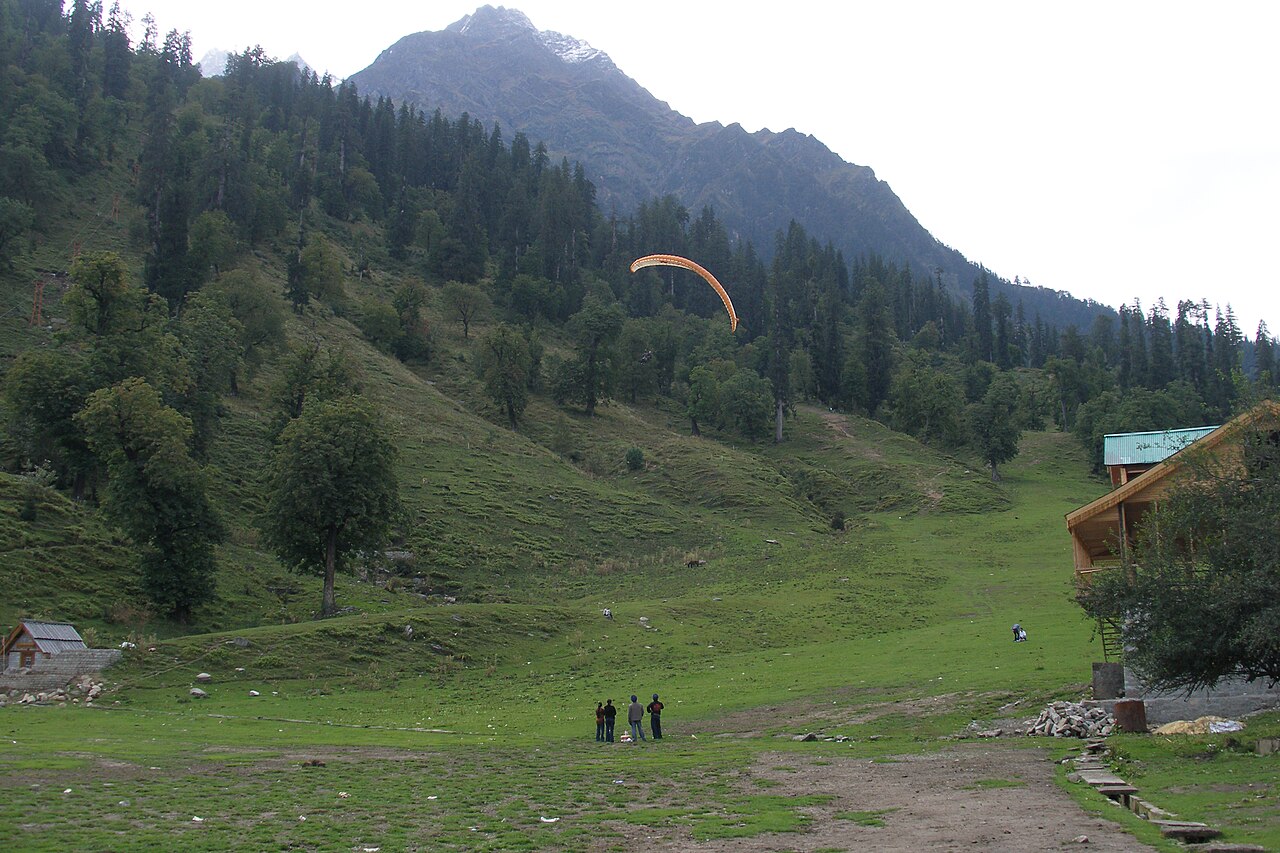
A planning guide from RARA Travels. Examples are illustrative. Confirm the current itinerary, operator, departure status and terms before booking. Destination photos do not depict RARA departures.